These are MY pixels!
Reflections on artificial intelligence, photographic authorship and creative integrity.
I mentioned recently to a friend that I had participated in a forum on Artificial Intelligence (AI) and she instantly responded effusively, commenting how much AI had facilitated her life as a language teacher.
The positive reaction to AI by my intelligent, open-minded friend served to emphasise how we each pass judgement based on how situations affect us personally.
I myself benefit from AI on a daily basis. I could even say that my photographic career has advanced positively thanks to AI’s pertinent suggestions, but…….there is another deep and dark side to AI !!!
For instance, when I submit photographs for a competition, I am asked to declare if I have used AI. Of course I haven’t - I took the photo(s), I used basic editing in Lightroom (LR), and that is all. Or is it? Because by using its software, LR has perhaps used AI on my behalf! Not every Lightroom adjustment is necessarily an AI operation. Traditional exposure, contrast, colour, cropping, sharpening and many manual retouching actions should not automatically be described as AI-assisted. Maybe LR and PhotoShop (PS) should have an option where we can opt out of AI edits?
Without getting too agitated, let’s recognise that there is assistive AI and generative AI and I am certainly not using the latter.
For me, the crucial distinction is between conventional or assistive editing, which adjusts or refines what was photographed, and generative editing, which creates new visual content that was not present in the original scene.
That said, the lines are blurring and I can’t deny that the subject concerns me.
By 2026, artificial intelligence has become increasingly embedded in everyday life.
It is an advancing field against with which even governments are struggling to keep pace.
When I played board games with my son in his youth, I played to my best ability. I didn’t lower my level to let him win - sadly, now that he is an adult, he has the same approach and I pretty much always lose!
My point is - cheating is not my thing. Fellow photographers also have access to AI - thus, it could be said that we share a level playing field. My response would be that a) competitions exist to judge our photographic skills not our ability to manipulate software. b) we need to be transparent, to clearly declare our post production actions with our submissions. Some competitions are requesting access to the original RAW image, an initiative I support totally. Thus we need to record authorship, to note and justify our post processing decisions.
The importance of transparency became clear in 2023, when German artist Boris Eldagsen declined the Sony World Photography Award after revealing that his winning image, Pseudomnesia: The Electrician, had been created using AI. Eldagsen said that he had entered the work to test the competition and stimulate debate about the future of photography. The incident demonstrated how essential it is for competitions to clearly define their rules and for entrants to disclose the methods they have used.
Now let’s flip the subject: would we want Artificial Intelligence to judge photographic competitions? Such an idea I would find abhorrent.
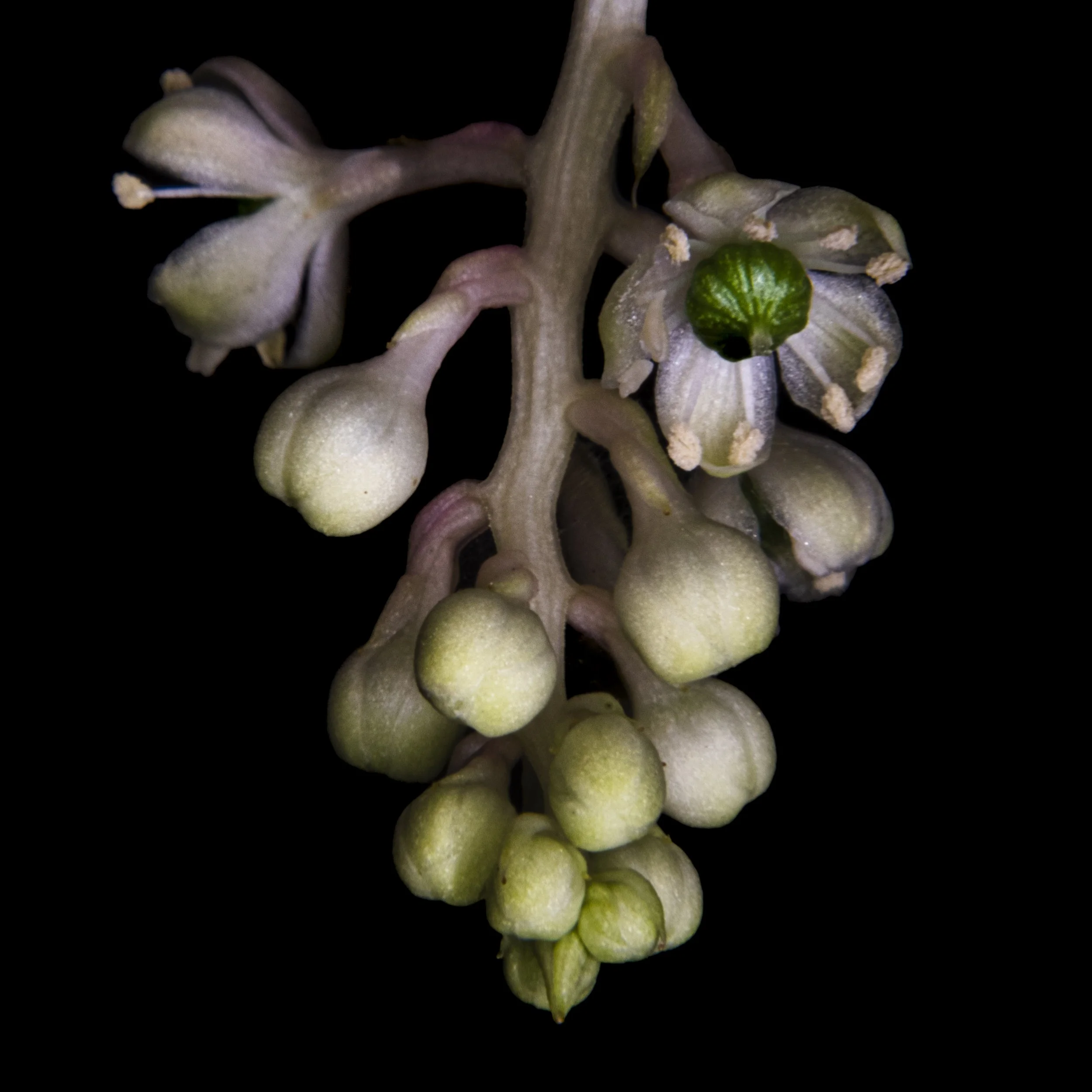
On a basic level I find certain editing tools in Lightroom and Photoshop to be useful. My aim is not to transform my photographs. I just want to ‘tidy up’ my images; remove blemishes and perhaps adjust light. These are useful tools and serve to save time and, at worst, could be defined as ‘assistive AI’.
Importantly, I don’t aim to add new visual elements.
On the other hand, AI has the ability to create new images based on text descriptions and this AI function is concerning to creatives and audiences alike.
Many generative AI systems have been trained on very large collections of text and images. Questions remain about whether some material was collected without permission, whether creators were adequately informed or compensated, and how copyright law should apply to such training practices.
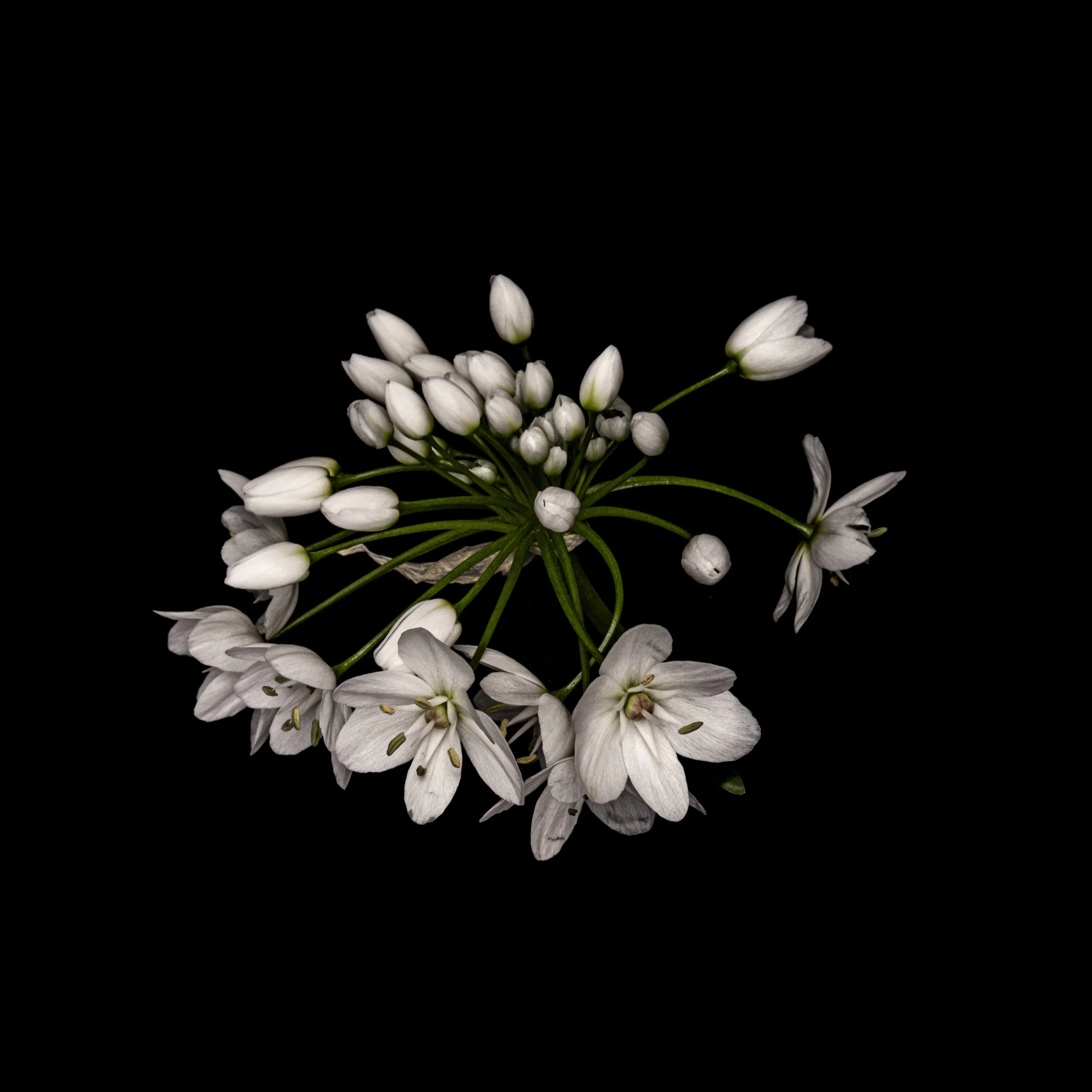
How do I prevent AI from trawling MY images without authorisation?
Images can now be created based merely on text, to produce a picture of a person, a place, or art that never existed. The media has to consequently question scrupulously the authenticity of images.
The advertising world is already using AI created ‘people’. Levi jeans, for example, has used images which were dropped onto new backgrounds and into real or fictional ‘places’. For a travel brochure, on the other hand, images need to be authentic.
Dr Michael Pritchard, Associate Professor, Artificial Intelligence & Autonomous Systems (Kansas State University / UC Berkeley) engaged to assist The Royal Photographic Society in their navigation of the minefield of AI defined it as being the development of computer software that can perform tasks which would typically require human intelligence, such as recognising speech, interpreting images, making decisions, and learning from data. AI involves the creation of algorithms and computer programs that can analyse and interpret data, learn from it, and use that knowledge to make decisions or take actions. The Royal Photographic Society has released a statement on AI and the Society.
We know what AI is, the question is to what extent we allow it to impact on our lives and that of the world as a whole.
Even those working on AI ask that we slow down and reflect re its direction.
In September 2026, Anthropic chief executive Dario Amodei called for the pace of AI development to slow, arguing that governments and technology companies need more time to address the risks. He proposed independent monitoring, shared safety standards and international cooperation
This will require government regulation, independent safety oversight, and voluntary pacing by major tech labs. Companies like Anthropic and OpenAI propose embedding independent outside evaluators inside labs to assure safety practices before releasing new models.
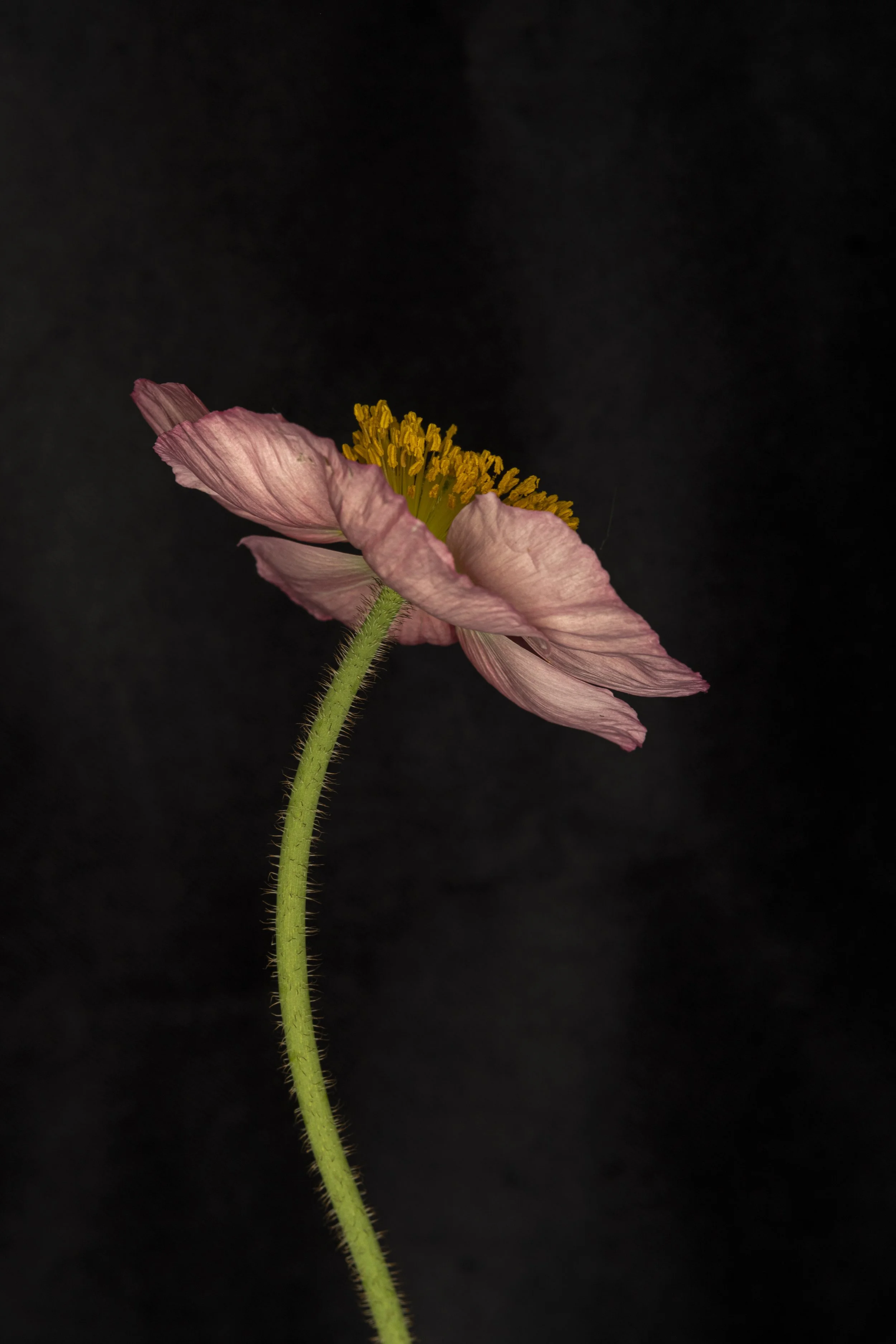
My research has confirmed that on the subject of Artificial Intelligence there are significantly more questions than answers. It is a complex subject which undoubtedly demands urgent attention. One would certainly hope that the development of AI remains subject to meaningful human oversight.
As for me, I close by stating that I will be submitting work for print, for competitions, for sale that are generated with MY PIXELS!
I use technology to refine what I have photographed; I do not use it to invent what I have not seen.
I would love to hear your own thoughts on the subject ……