Why do photographers need to understand Article 9 of the French Civil Code?
If you are practising street photography in France, understanding Article 9 of the French Civil Code is essential. This law governs the right to privacy (“droit à l’image”) and has direct implications for how photographers can use images of people.
In simple terms, Article 9 protects an individual’s right to their own image. Unlike in some other countries, a photograph of a person does not automatically “belong” to the photographer in a commercial sense. Even if you take the photograph, the subject retains rights over how their image is used, particularly when it comes to publication or financial gain.
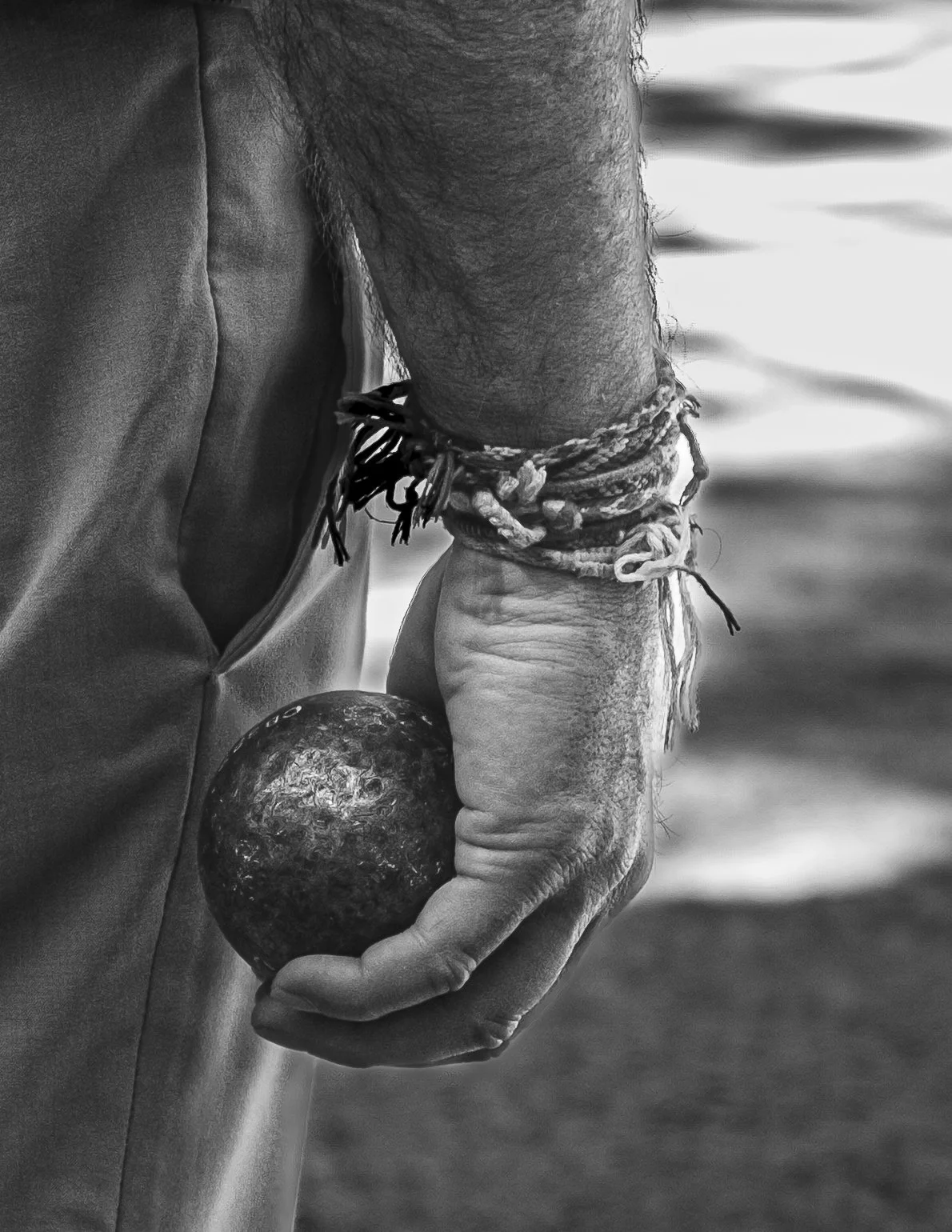
As a photographer living in France, and often working in Paris, I enjoy street photography. The good news is that photographing in public spaces is generally permitted. However, the law becomes relevant when you intend to publish, distribute, or sell those images.
For example, I can freely take photographs in the street, but if a person is clearly identifiable, I would need their permission before using the image commercially or in a public context. This is where photographers can unintentionally fall foul of French privacy laws.
Furthermore, copyright law in France also extends beyond people to architecture. Buildings are protected by copyright for the lifetime of the architect plus 70 years. This is why you can freely photograph the Eiffel Tower itself—Gustave Eiffel died in 1923, placing the structure in the public domain. However, the Eiffel Tower’s illuminated light display, installed in 1985, is considered a separate artistic work and remains protected. As a result, commercial use of photographs featuring the tower’s night-time lights requires permission.
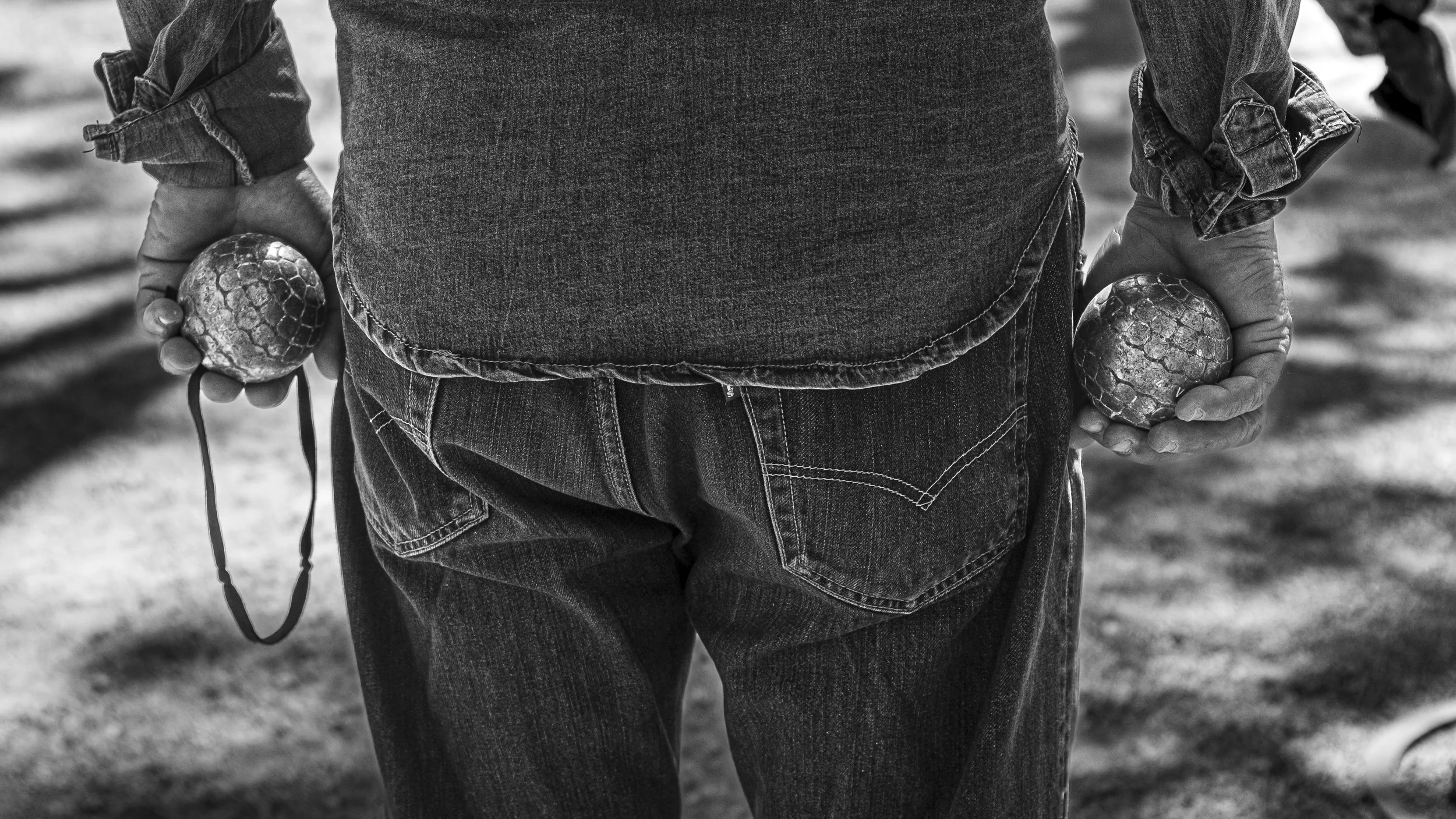
Exploring anonymous forms of street photography can be fun. By focusing on details rather than identities, I can work creatively while respecting privacy laws. For instance, I photographed people playing pétanque in the Jardin du Luxembourg by capturing gestures and atmosphere rather than recognisable faces.
In the Paris Metro during rush hour, I turned my attention to people’s feet. By photographing footwear and the crowded conditions, I was able to tell a story of urban life without revealing identities. What began as a practical approach, quickly became a fascinating study of individuality through shoes alone.
Interestingly, working within the framework of French photography laws has served to strengthen my creative process. Setting clear boundaries has sharpened my focus and intention, rather than photographing pretty much everything as I did before. The result is stronger and more meaningful images.
Ultimately, whether you are a professional photographer or an enthusiast, the key is respect. Respect the law, respect your subjects, and be mindful of how your images may be used. A simple guiding principle is this: never take—or publish—an image you would not be comfortable with if the roles were reversed.
Don’t forget that if you want to be notified of new blog posts, all you need to do is go to my contact page and write BLOG in the message section, click send, and I will add you to my circulation list. If you are already subscribed maybe recommend the blog to a friend. Thank you for your interest and let’s see what we can learn together.